Source 11mp usb hub camera module for AI, Security, and Medical Devices
Find 30 verified 11mp usb hub camera module options from Shenzhen suppliers. Compare USB 2.0 interfaces, OV5640 sensors, and 1080p resolutions to match your industrial or consumer electronics needs.
Key considerations
Products List


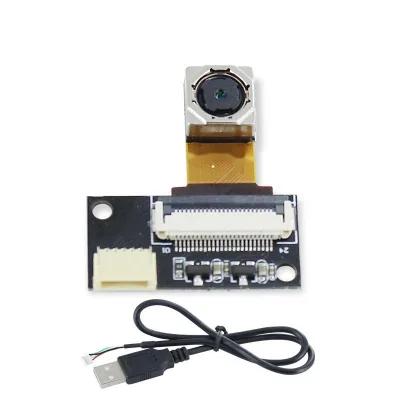
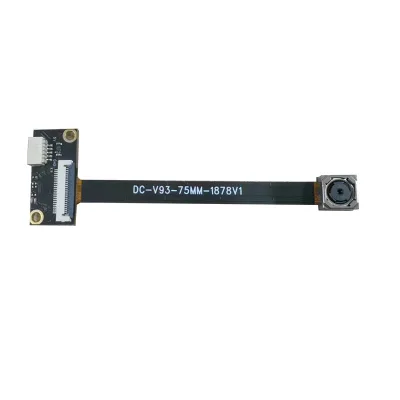
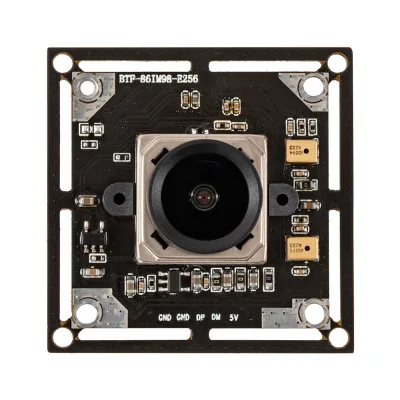


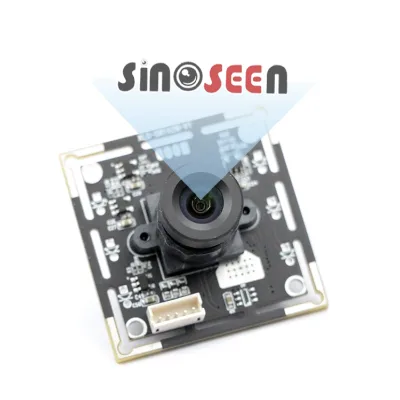
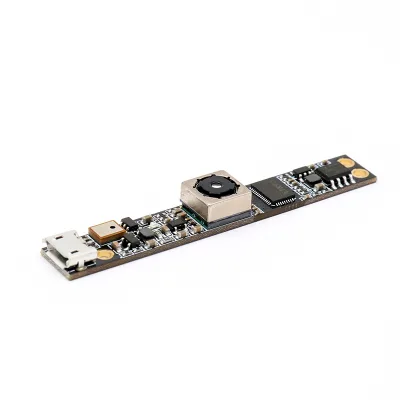
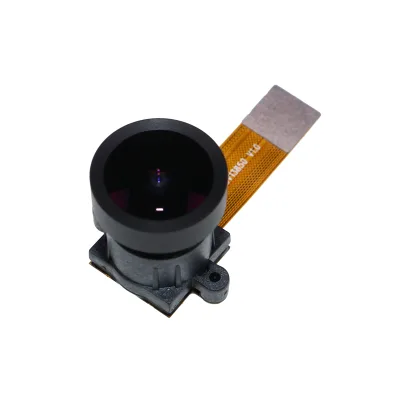
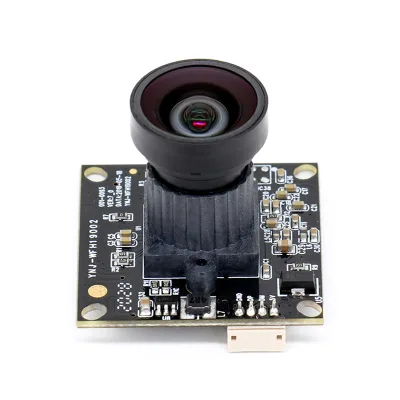
Comprehensive Sourcing Guide
Strategic Sourcing Guide for 11MP USB Hub Camera Modules
Understanding the Technical Landscape of USB Camera Modules
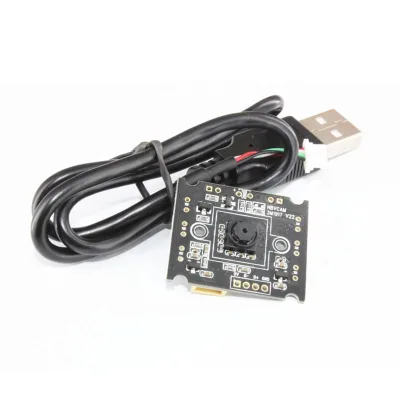
When sourcing a device described as an "11mp usb hub camera module," buyers must first reconcile the specific terminology with the actual component capabilities observed in the market. The term "11MP" often serves as a marketing descriptor for high-resolution imaging, yet the technical reality of the supply chain frequently involves modules with resolutions such as 5MP or 1920*1080, which are standard for high-definition video streaming. The core keyword suggests a device that integrates a camera sensor with a USB interface, potentially designed for hub connectivity or direct USB attachment.
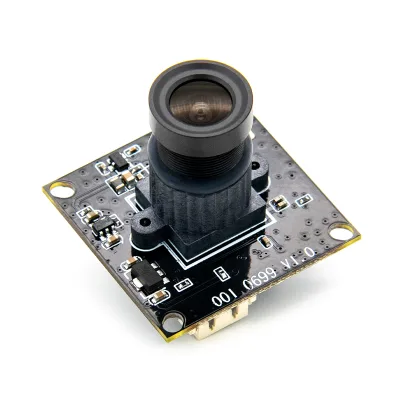
The observed product attributes indicate a diverse range of specifications. For instance, specific models in this category utilize a 1/2.7" image sensor or an OV5640 CMOS sensor chip, which typically delivers 5MP resolution (25921944 pixels). Other variants in the same ecosystem may feature a 19201080 resolution with a pixel size of 3µm*3µm. It is critical for procurement professionals to distinguish between the marketing label and the physical sensor data. The interface type is consistently listed as USB 2.0 or USB2.0, ensuring compatibility with standard host systems. The video output formats observed include Yuv, Mjpg, and YUY2/MJPEG, which are essential for determining software compatibility and bandwidth requirements.
Furthermore, the optical characteristics vary significantly. Some modules are described as having a "High-Quality Glass Lens" with an M7 lens construction, while others feature a "Narrow-edge ultra-thin" design with a specific focal length of 1.68mm and a field of view of 60°. The focusing mechanism is another critical variable; the market offers both "Fix" focus and "AF" (Auto Focus) modules. The AF modules often come with a driver board, as indicated by model numbers like HS-AF5640U-Drive board. Buyers must verify whether the specific unit required for their application needs auto-focusing capabilities or if a fixed-focus lens suffices for their use case.
Compliance and Certification Verification
In the B2B procurement of electronic components, verifying compliance is not merely a formality but a prerequisite for market access and liability protection. The supplied data highlights several key certifications and standards that are frequently associated with these camera modules. The most prominent certifications observed include UR, CE, FCC, and RoHS. These marks indicate that the product meets specific safety, electromagnetic compatibility, and environmental standards.
The CE mark suggests conformity with health, safety, and environmental protection standards for products sold within the European Economic Area. The FCC certification is crucial for devices sold in the United States, ensuring that the electronic device does not interfere with other radio frequency devices. RoHS compliance indicates that the product is manufactured without specific hazardous materials, which is a mandatory requirement in many global markets. Additionally, the "UR" certification often refers to Underwriters Laboratories recognition, a trusted safety standard.
However, buyers must exercise caution. While these certifications are listed as facts for certain products, they are not guaranteed for every item labeled under the generic keyword. The sourcing guide must emphasize that the presence of a certification on a product page does not automatically validate the entire batch. Procurement teams should request valid test reports and certificates of conformity directly from the supplier before placing large orders. The "prod_standard" field in the data lists CE, FCC, and RoHS, but the buyer must confirm that these apply to the specific model number being purchased, such as the SX-6200HA or SX-6500G.
Cost Drivers and Pricing Structure Analysis
The pricing structure for USB camera modules is influenced by a complex interplay of factors, including sensor resolution, lens quality, focusing mechanisms, and customization requirements. The observed price range in the market spans from $4.8 to $53 USD. This wide disparity reflects the difference between basic fixed-focus modules and advanced auto-focus units with specialized driver boards.
Several key cost drivers can be identified. First, the sensor type is a primary determinant. Modules utilizing the OV5640 sensor or those with higher pixel counts (such as 5MP) generally command a higher price than those with lower resolutions like 1920*1080. Second, the lens construction plays a significant role. Modules with "High-Quality Glass Lens" and M7 construction are typically more expensive than those with plastic lenses. Third, the focusing mechanism adds cost; AF modules with driver boards are priced higher than fixed-focus counterparts.
Customization is another major factor. The data indicates that customization is available, including customized logos, OEM, and ODM services. These services inevitably increase the unit cost and may introduce additional setup fees. The Minimum Order Quantity (MOQ) also affects the effective unit price. The observed MOQ range is 1 to 500 units. Buyers purchasing small quantities (e.g., 1-10 units) will likely pay closer to the upper end of the price range, while bulk orders can leverage economies of scale to approach the lower price points.
| Cost Driver | Low-Cost Configuration | High-Cost Configuration |
|---|---|---|
| Resolution | 1920*1080 | 2592*1944 (5MP) |
| Lens Type | Plastic | High-Quality Glass (M7) |
| Focus | Fix | AF with Driver Board |
| Customization | Standard Packaging | Custom Logo, OEM/ODM |
| MOQ | 500 Units | 1 Unit |
| Estimated Price | ~$4.80 - $15.00 | ~$25.00 - $53.00 |
Typical Applications and Functional Integration
The versatility of USB camera modules allows them to be integrated into a wide array of applications, from consumer electronics to industrial automation. The "Applicable Brands" listed in the data include iPhone, Android, and Sony, suggesting broad compatibility with mobile and computing platforms. The interface type, USB 2.0, ensures that these modules can be easily connected to computers, laptops, and USB hubs without requiring specialized drivers in many cases.
One specific application area is in the development of specialized imaging devices. The "Narrow-edge ultra-thin camera module" description points to applications where space is at a premium, such as in portable medical devices, compact security cameras, or embedded systems in consumer electronics. The "15FPS" functional introduction indicates that these modules are suitable for real-time video streaming, making them ideal for video conferencing, live broadcasting, or motion detection systems.
Furthermore, the storage and output capabilities are relevant for specific use cases. The "Output Formats" of Yuv/Mjpg and "Video Compression Format" of YUY2/MJPEG are standard for video processing pipelines. The "Storage" attribute listed as "Other" suggests that these modules may be designed for direct streaming rather than onboard storage, which is typical for USB peripherals. The "Cable" length range of 5-200cm offers flexibility in system design, allowing for remote placement of the camera sensor from the processing unit.
Supplier Evaluation and Origin Considerations
When evaluating potential suppliers for these camera modules, the origin of the product is a significant indicator of manufacturing capability and supply chain stability. The data consistently points to "Shenzhen, China" and "Guangdong, China" as the places of origin. These regions are global hubs for electronics manufacturing, known for their extensive supply chains and expertise in consumer electronics.
Buyers should look for suppliers who can demonstrate a track record of producing the specific models mentioned, such as the SX-6200HA or SX-6500. The "Brand Name" HS is observed in the data, but buyers should not limit their search to a single brand. Instead, they should evaluate suppliers based on their ability to provide the required certifications (CE, FCC, RoHS) and their capacity for customization.
The "Customized support" section, which includes OEM and ODM services, is a strong indicator of a supplier's flexibility. A supplier capable of OEM/ODM is better equipped to handle unique design requirements, such as specific cable lengths, custom PCB printing ink colors (e.g., Black), or unique module sizes. The "Single package size" of 9X9X2 cm and "Single gross weight" of 0.020 kg are useful for logistics planning, ensuring that the supplier can handle the packaging and shipping requirements efficiently.
Quality Control and Long-Term Procurement Strategy
Ensuring the quality of USB camera modules requires a rigorous quality control (QC) process. The "Warranty" period of 1 year is a standard benchmark, but buyers should verify the terms of this warranty, including coverage for defects and the process for returns. The "Waterproof" attribute is listed as "No," which means these modules are not suitable for outdoor or harsh environmental applications without additional housing. Buyers must ensure that the intended application environment matches the product's physical specifications.
Long-term procurement considerations involve assessing the supplier's ability to maintain consistent quality over time. The "Standard" of CE, FCC, and RoHS should be maintained across all production batches. Buyers should request samples for testing before committing to large orders. The "Resolution" and "Pixel Size" should be verified through actual testing to ensure they match the specifications provided.
Additionally, the "Lead time" and "MOQ" should be factored into the procurement strategy. While the observed MOQ ranges from 1 to 500, the actual lead time for customized orders may be longer. Buyers should plan their inventory accordingly to avoid stockouts. The "Style" of the module, whether it is an "AF module-driver board" or a standalone "AF module," should be clearly defined in the purchase order to prevent miscommunication.
Final Sourcing Recommendations
In conclusion, sourcing an "11mp usb hub camera module" requires a nuanced understanding of the technical specifications, compliance requirements, and cost drivers inherent in the market. The observed data reveals a diverse landscape of products ranging from basic 1080p modules to advanced 5MP auto-focus units. Buyers must prioritize verifying the actual sensor resolution, lens quality, and certification status rather than relying solely on marketing labels.
The wide price range of $4.8 to $53 USD reflects the varying levels of complexity and customization available. By carefully evaluating suppliers based on their origin in Shenzhen or Guangdong, their ability to provide OEM/ODM services, and their adherence to international standards like CE and FCC, buyers can secure high-quality components that meet their specific application needs. Ultimately, a successful procurement strategy involves a balance of technical verification, supplier due diligence, and clear communication of requirements to ensure the delivered products perform as expected in the final system.
FAQs
What certifications do these camera modules typically have?
These modules typically carry UR, CE, FCC, and RoHS certifications. Buyers must verify that these specific marks apply to the model number being purchased, such as the SX-6200HA, before placing large orders to ensure compliance.
Which interface type is standard for these USB camera modules?
The standard interface type is USB 2.0 or USB2.0. This ensures compatibility with standard host systems like computers and USB hubs without requiring specialized drivers in many cases for video streaming applications.
Can I get customized logos or OEM services for these modules?
Yes, customization is available including customized logos, OEM, and ODM services. These services inevitably increase the unit cost and may introduce additional setup fees depending on the specific requirements of the buyer.
What is the typical price range for these camera modules?
The observed price range spans from 4.8 to 53 USD. This wide disparity reflects the difference between basic fixed-focus modules and advanced auto-focus units with specialized driver boards and higher resolution sensors.
Where are these camera modules typically manufactured?
These modules are typically manufactured in Shenzhen, China, and Guangdong, China. These regions are global hubs for electronics manufacturing, known for their extensive supply chains and expertise in consumer electronics components.
What resolution options are available for these camera sensors?
Available resolution options include 1920*1080 and 2592*1944 pixels. Specific models utilize a 1/2.7 image sensor or an OV5640 CMOS sensor chip, which typically delivers 5MP resolution for high-definition video streaming.